Every Item Tracked From Start to Finish
Inventory, Pack-Out & Secure Storage in Gaylord for large residential and commercial insurance claims involving textile documentation and chain-of-custody tracking
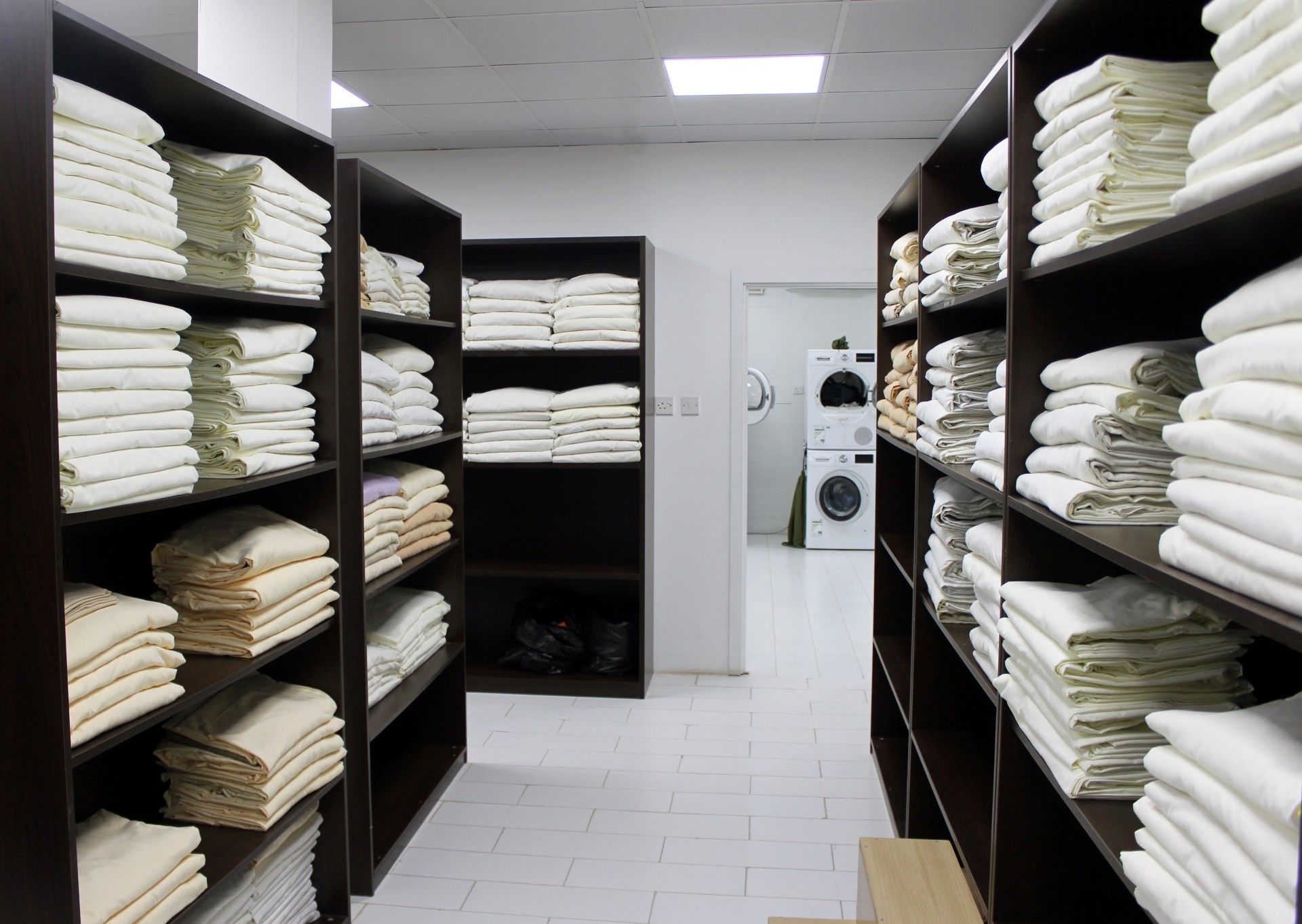
Organized documentation begins at the property with bag-and-tag inventory procedures that assign unique identifiers to each textile item before transport, creating a complete chain-of-custody record from site visit through restoration and final return. Photographic documentation captures pre-treatment condition, contamination levels, and item-specific details that support insurance adjuster review and homeowner verification throughout the claim process. Great Lakes Textile Restoration & Laundry Service LCC manages the complete workflow for large-scale textile claims in Northern Michigan, from initial site assessment through secure climate-controlled storage while restoration work is completed, ensuring nothing is misplaced or undocumented during multi-week processing timelines.
Inventory tracking provides real-time status updates for property owners, adjusters, and contractors, reducing communication delays and eliminating the confusion that occurs when textiles are batch-processed without individual item records. Climate-controlled storage prevents secondary damage from temperature fluctuations or humidity exposure while items await treatment scheduling or claim approval.
Arrange coordinated insurance pack-out services to begin documentation and secure transport before contents are disturbed or commingled at the loss site.

What Complete Documentation Includes
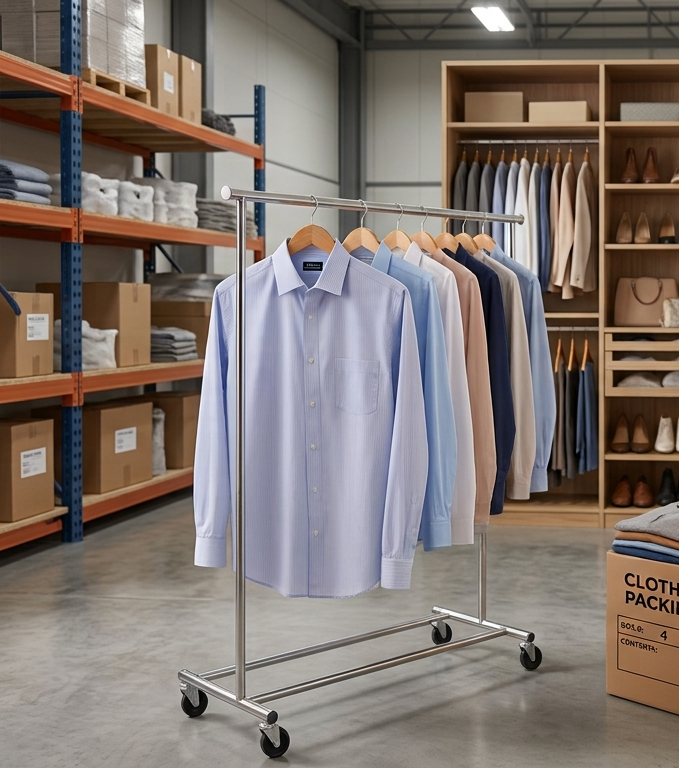
The workflow starts with an on-site assessment to identify textile contamination levels, followed by systematic tagging procedures that assign a unique inventory tracking number linking each item directly to its photographic record and treatment protocol. Secure transport in enclosed vehicles maintains chain-of-custody integrity, while climate-controlled storage facilities prevent mold growth, odor absorption, or environmental damage while items await processing schedules aligned with claim approval timelines.
You receive detailed inventory reports with item descriptions, contamination assessments, and pre-treatment photographs that support adjuster review and line-item claim documentation. Tracking allows you to verify item status at any point during the restoration process, and final return includes reconciliation reports confirming every tagged item has been accounted for, whether restored and returned or documented as a total loss. Communication improves significantly when all parties access the same photographic records and status updates rather than relying on verbal descriptions or incomplete spreadsheets.
Pack-out services are textile-specific and do not include furniture, electronics, or structural contents that require separate handling protocols. Inventory procedures focus on garments, linens, drapery, and fabric goods that respond to professional cleaning and restoration processes, with clear documentation separating salvageable items from those requiring replacement.
What Property Owners Usually Ask
Homeowners and business operators across Northern Michigan dealing with insurance claims often need clarity on how inventory tracking improves communication and claim resolution.
What is included in bag-and-tag inventory procedures?
Each textile item receives a unique barcode label linked to photographic documentation, contamination assessment, and treatment protocol, creating a chain-of-custody record from site visit through final return.
How does tracking improve communication during large claims?
Real-time status updates allow property owners, adjusters, and contractors to verify item location and processing progress without relying on phone calls or incomplete spreadsheets.
Why does climate-controlled storage matter for textiles awaiting treatment?
Temperature fluctuations and humidity exposure cause secondary mold growth, odor absorption, and fiber degradation when items remain in uncontrolled environments during multi-week claim processing timelines.
What happens if an item cannot be restored after pack-out?
Items documented as total losses are photographed, labeled with condition notes, and included in final reconciliation reports for adjuster review and claim settlement.
How are textile claims organized differently than general contents pack-outs in Gaylord?
Textile-specific inventory focuses on garments, linens, and fabric goods that respond to professional cleaning, with clear separation from furniture, electronics, or structural contents requiring different handling protocols.
Great Lakes Textile Restoration & Laundry Service LCC provides photographic documentation, secure transport, and real-time tracking for residential and commercial insurance claims throughout Northern Michigan. Request an inventory consultation to establish coordinated pack-out procedures aligned with your claim timeline and adjuster requirements.