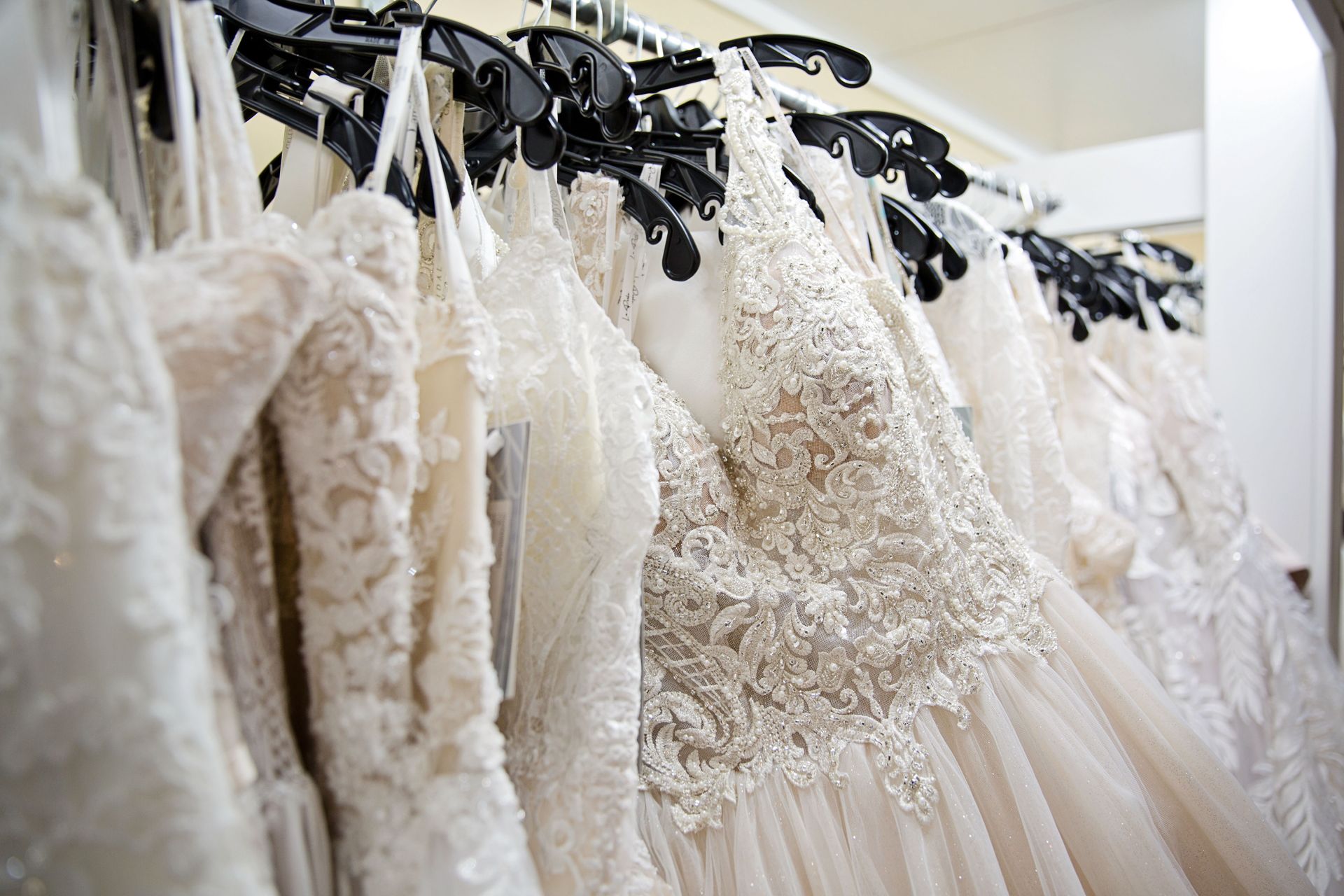
Formalwear That Survives the Full Event
Dresses, Gowns, and Formal Wear in Gaylord for intricate beadwork, delicate fabrics, and stains that require targeted treatment
Wine spills on satin, makeup transfer on lace collars, and dirt ground into hem lines during outdoor receptions all require stain removal techniques that won't damage fragile formal fabrics or loosen embroidery threads. Great Lakes Textile Restoration & LaundryService provides dresses, gowns, and formal wear cleaning in Gaylord using fabric-specific treatment methods for silk, chiffon, velvet, and beaded textiles that react poorly to standard dry cleaning solvents. Tailored suits, wedding gowns, prom dresses, tuxedos, and theatre costumes receive hand-finishing and delicate steaming that restores structure without flattening intricate details.
The cleaning process begins with fabric identification and stain assessment, as different textiles and embellishments dictate solvent choice, water temperature, and agitation method. Protein-based stains like sweat require enzyme treatment, while oil-based makeup needs solvent application, and tannin stains from wine demand acidic lifting agents. Beadwork, sequins, and delicate closures are protected during processing to prevent thread breakage or embellishment loss that occurs when formalwear runs through automated equipment without pre-treatment.
Request an evaluation for formalwear cleaning or preservation to review fabric condition and stain treatment options before processing begins.
.
How Delicate Fabric Cleaning Addresses Specific Stains
Stain removal on formal fabrics requires matching the cleaning agent to both the stain type and the textile, since aggressive solvents that work on cotton cause color bleeding in silk or shrinkage in wool linings. Grease and oil-based stains are treated with petroleum solvents applied directly to affected areas before immersion cleaning, while water-soluble stains like wine or dirt receive pre-spotting with mild detergents that won't set the stain deeper into fibers. Sweat and body oil embedded in underarm seams and collar edges are lifted with enzyme solutions that break down proteins without weakening delicate fabric weaves.
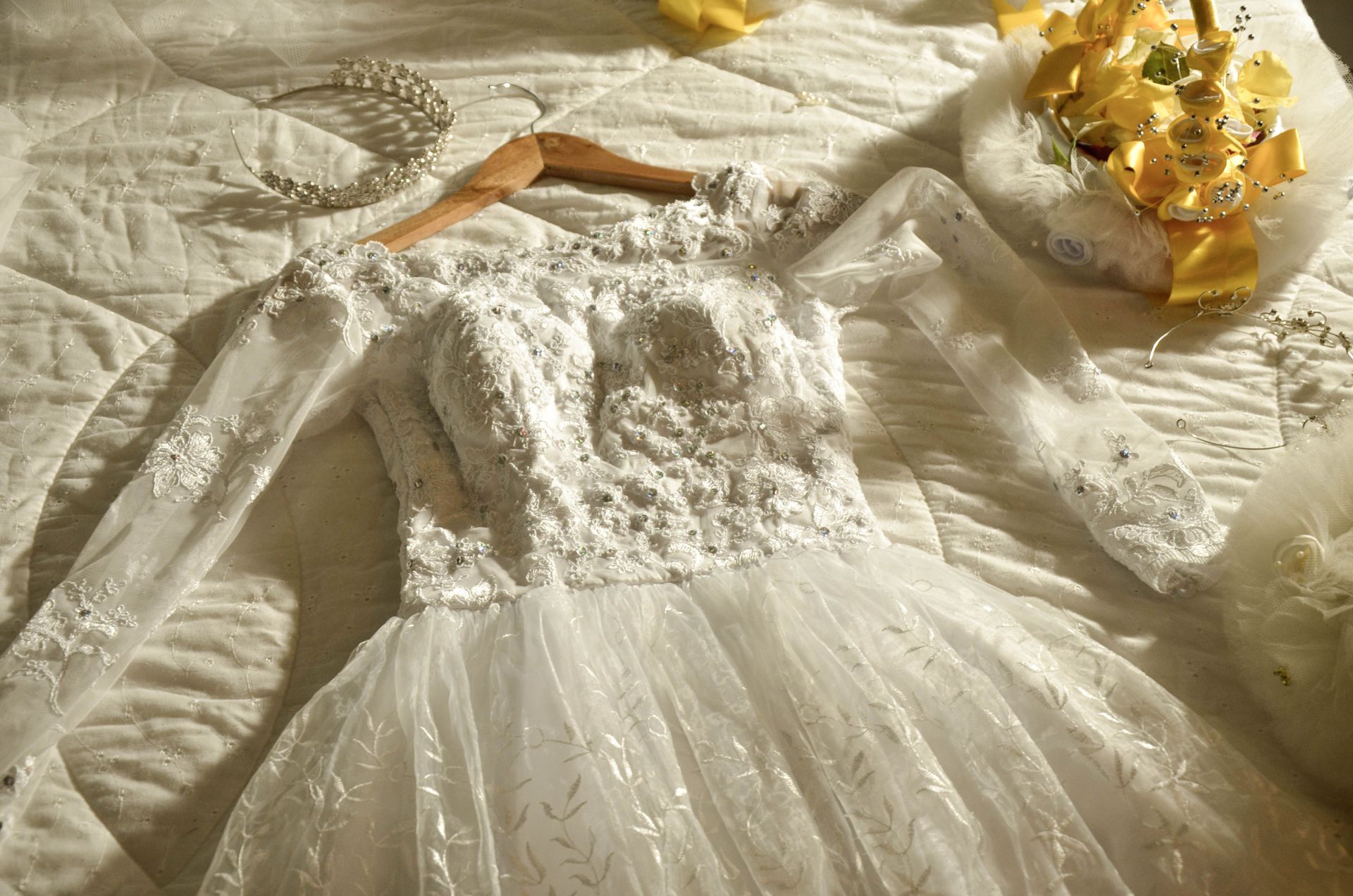
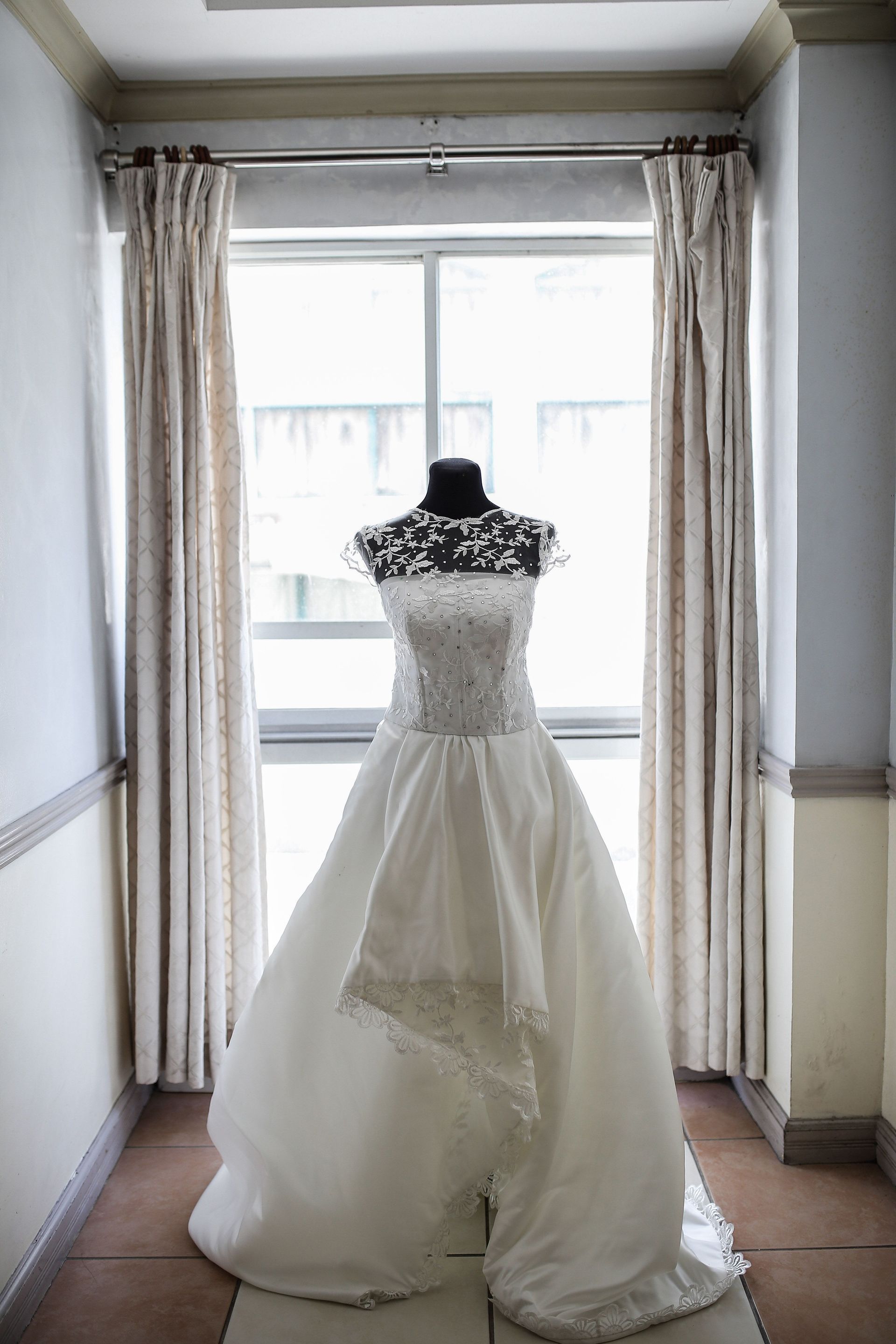
After cleaning completes, formalwear returns with hem lines free of ground-in dirt, bodices without makeup transfer, and fabric that regains its original drape rather than hanging stiff from solvent residue. Beaded details remain secure, lace overlays retain their shape, and pressing restores crisp lines to jacket lapels and pant creases without leaving shine marks on dark fabrics. Gowns and dresses are finished with hand steaming that removes wrinkles from layered tulle and chiffon without crushing volume.
Museum-quality preservation services are available for heirloom wedding gowns and cherished formal garments, using anti-yellowing treatments and acid-free storage materials that prevent fabric degradation during long-term storage. This service includes thorough cleaning before preservation to remove invisible stains like champagne or perspiration that oxidize and darken over time if left untreated..
Answers to Frequent Formalwear Questions
Clients preparing for events or preserving garments after significant occasions often ask about treatment methods, timing, and preservation processes before scheduling service.
What types of stains can be removed from formal fabrics?
Wine, makeup, grease, sweat, dirt from hem lines, and oil-based food stains are treated using fabric-specific solvents and enzyme solutions, though success depends on stain age and whether previous home treatment set the stain deeper into fibers.
How does cleaning differ for beaded or embroidered gowns?
Beadwork and embroidery require hand-finishing and protective measures during processing to prevent thread breakage or embellishment loss that occurs when automated equipment agitates delicate details without manual oversight.
Why do some formal fabrics need different cleaning methods?
Silk reacts poorly to water-based cleaning, velvet crushes under standard pressing, and chiffon snags easily, so each textile requires solvent choice, temperature control, and finishing techniques matched to its specific structure and fiber content.
When should wedding gowns be cleaned for preservation?
Gowns should be cleaned within weeks of the event, as invisible stains from champagne, perspiration, and food oxidize over time and become permanent yellow or brown marks if left untreated before storage.
How long does formalwear cleaning take in Gaylord?
Turnaround typically ranges from several days to a week depending on stain complexity, fabric type, and whether preservation services are included, with detailed garments requiring additional hand-finishing time.
Great Lakes Textile Restoration & LaundryService treats wedding gowns, tuxedos, suits, and delicate formal attire with targeted stain removal and fabric-specific care. Schedule a consultation to discuss garment condition and preservation options for heirloom pieces or event preparation.