Every Garment Tracked Through One System
Integrated Dry Cleaning Solutions in Gaylord for insurance restoration projects and commercial textile management requiring coordinated processing of mixed garment types
Fire damage insurance claims often involve dozens of garments spanning washable cottons, dry-clean-only wool suits, leather jackets, and synthetic blends that each require different cleaning methods yet must remain tracked under a single claim number throughout restoration. Great Lakes Textile Restoration & Laundry Service LCC separates dry-clean-only items and coordinates processing through a trusted wholesale partner while maintaining unified inventory control across Northern Michigan restoration projects where chain-of-custody documentation matters for insurance approval. Every piece enters a tracking system at intake regardless of which cleaning method it eventually receives.
Garments requiring dry cleaning undergo solvent-based processing off-site, while washable textiles process through in-house industrial systems, but clients interact with one point of contact rather than managing multiple vendors. Records link each item to its cleaning pathway, documenting treatments applied, stain removal attempts, and final condition assessments insurance adjusters require for claim settlement.
Request project coordination for insurance claims or commercial textile restoration involving multiple garment categories and cleaning requirements.

Why Coordinated Workflow Matters for Complex Projects
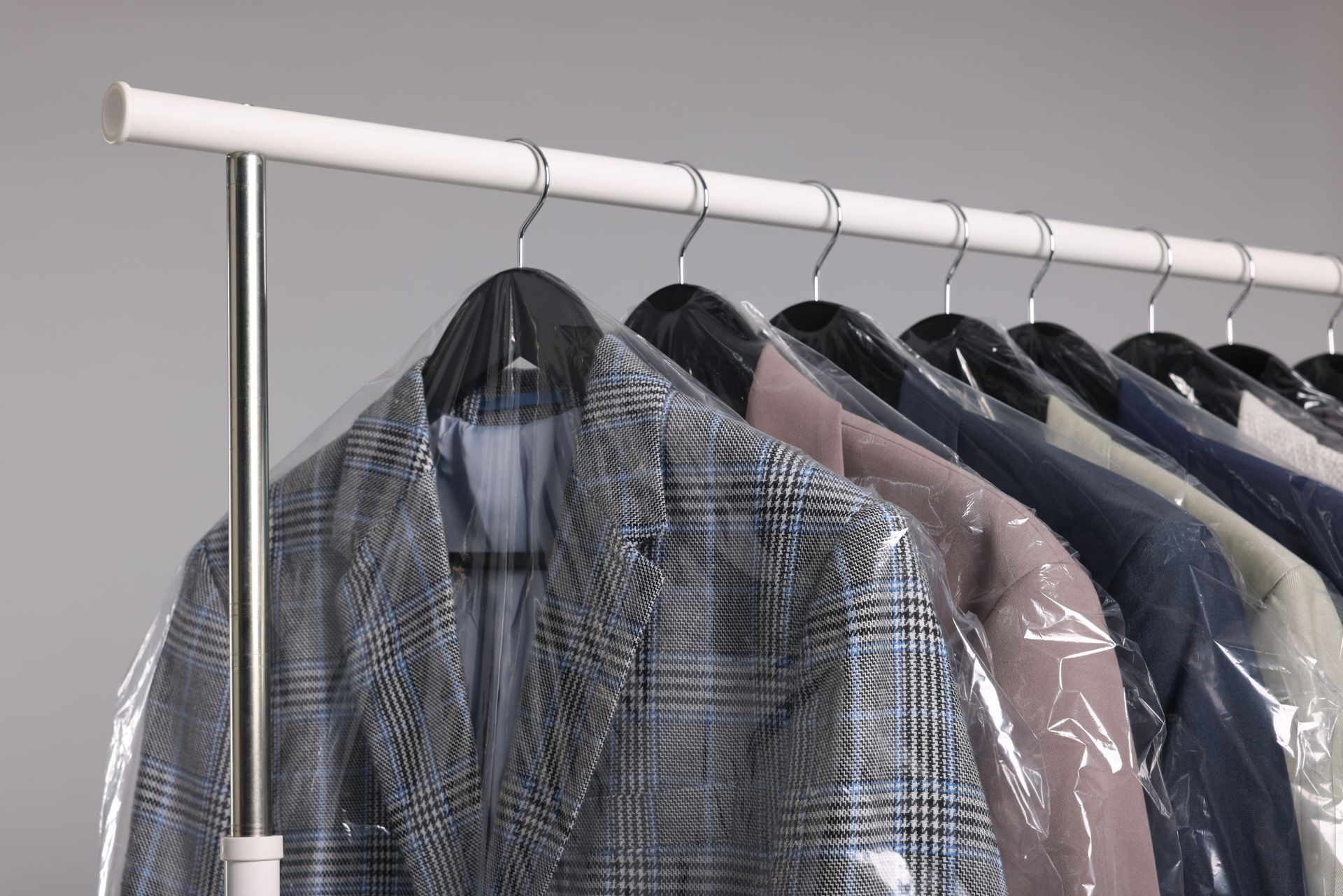
Restoration projects fail when garments disappear between vendors, timelines extend because no one coordinates processing schedules, or documentation gaps stall insurance approvals because different cleaners use incompatible record systems. Integrated processing routes each item appropriately while maintaining central tracking, so adjusters receive complete documentation showing every garment's journey from smoke-damaged intake through final delivery without gaps or vendor handoff confusion.
Clients see simplified logistics—one delivery for all items regardless of cleaning method, one invoice instead of multiple bills, one contact for questions about any garment in the project. Insurance partners appreciate chain-of-custody clarity when claims involve valuable wardrobes requiring detailed accounting of cleaning attempts, restoration success rates, and total loss determinations.
Dry-clean-only garments receive professional solvent processing that removes smoke particulates and odor molecules embedded in wool fibers, silk linings, and structured tailoring that water-based cleaning would ruin. The wholesale partnership extends specialized capabilities without fragmenting project management or diluting accountability for outcomes.
What Property Owners Usually Ask
Insurance restoration projects in Gaylord involve coordinating multiple textile types under urgent timelines, and these questions address logistical concerns that arise during complex claims.
How are dry-clean-only items identified during intake?
Garment labels are checked during initial sorting, and questionable items receive conservative routing to dry cleaning rather than risking damage through inappropriate water-based processing.
What documentation do insurance companies require?
Digital tracking generates item-by-item condition reports, treatment records, and photographic evidence of damage and restoration results, compiled into claim packages adjusters use for settlement decisions.
Will processing timelines extend because items go to different facilities?
Coordinated scheduling ensures dry cleaning happens concurrently with in-house washing so all garments complete processing within similar timeframes rather than creating sequential delays common when clients manage vendors separately.
How do you prevent items from being lost between vendors?
Bar-coded tracking follows each garment through every location and process stage, creating digital breadcrumbs that flag items if they remain at any processing point longer than scheduled turnaround times.
Can mixed-material garments be processed safely?
Combination garments such as suits with leather trim or dresses with beaded embellishments receive assessment to determine whether components can be cleaned together or require disassembly and separate processing to prevent damage.
Great Lakes Textile Restoration & Laundry Service LCC manages insurance restoration projects and commercial textile contracts requiring coordinated processing of diverse garment types. Arrange consultation to review project scope and establish tracking protocols before restoration begins.