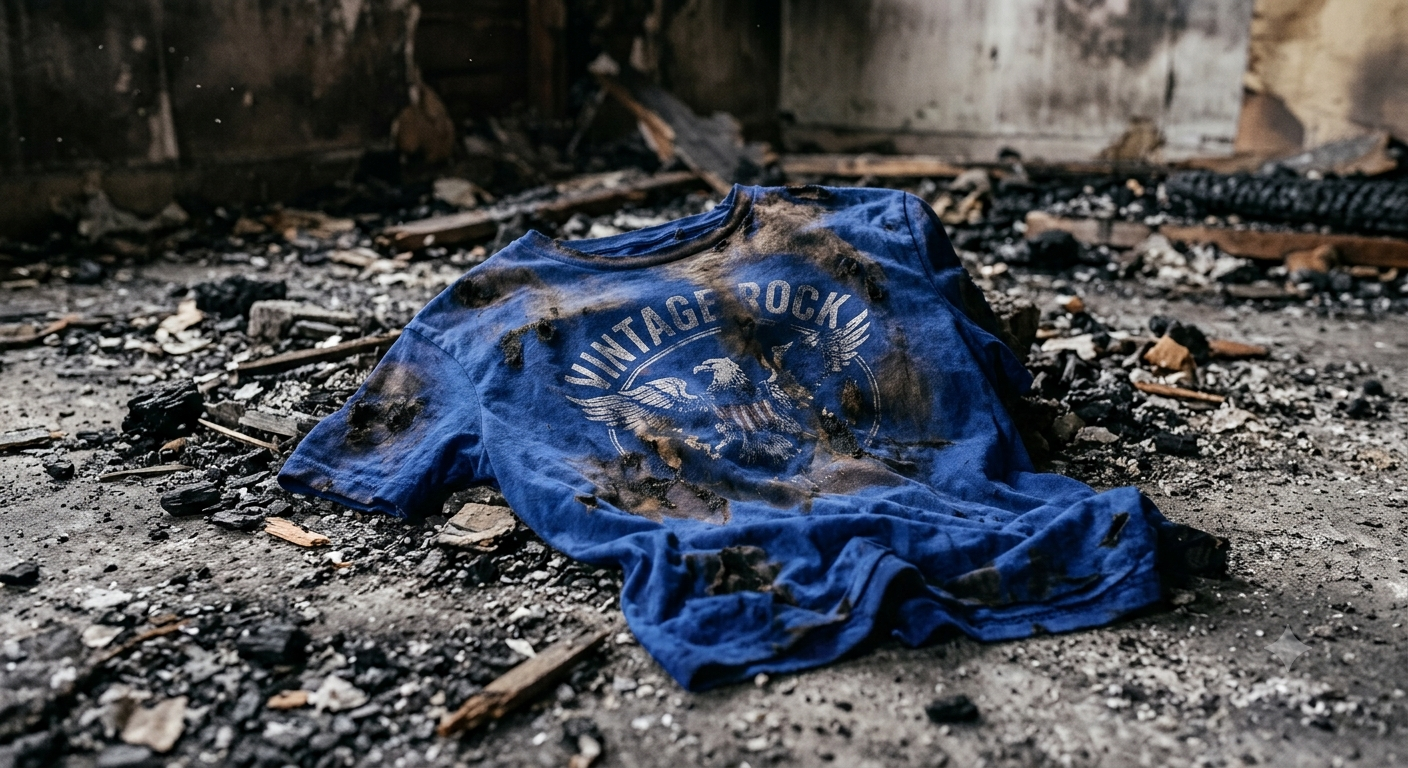
Clothing That Survived the Fire
Water, Fire, Smoke, & Mold Textile Restoration in Gaylord for garments exposed to soot, combustion residues, and embedded smoke odors
Great Lakes Textile Restoration & Laundry Service LLC specializes in restoring textiles affected by water, fire, smoke, and mold damage, addressing the unique challenges each type of loss presents. Moisture can lead to staining, fiber distortion, and microbial growth, while fire and smoke leave behind soot, acidic residues, and persistent odors that standard laundering cannot eliminate. Mold contamination can penetrate deep into fabric fibers, causing discoloration, odors, and deterioration if not treated promptly. Every restoration project requires specialized techniques based on the source and severity of the damage.
Water damage, smoke contamination, fire residue, and mold growth each affect textiles differently and require tailored restoration methods. Our proven restoration process may include advanced cleaning, deodorization, antimicrobial treatment, and fiber-specific drying techniques to recover clothing, linens, upholstery, and other specialty textiles whenever possible. Acting quickly is essential, as prolonged exposure to moisture, soot, smoke residues, or mold can lead to permanent damage and reduce the likelihood of successful restoration.
Schedule a textile evaluation after experiencing water, fire, smoke, or mold damage to determine which items can be professionally restored and which may require documentation for insurance or replacement claims.
What Permanent Odor Removal Requires
Professional textile restoration for water, fire, smoke, and mold damage goes far beyond standard laundering. Our restoration process is tailored to the type of contamination and may include advanced cleaning, specialized drying, antimicrobial treatments, soot removal, and molecular deodorization to address contaminants embedded deep within fabric fibers. Rather than masking odors or surface stains, these techniques target the source of the damage to restore textiles as safely and thoroughly as possible.
Following treatment, clothing, linens, and other textiles are carefully inspected to ensure contaminants, odors, and residues have been effectively removed. When restoration is successful, fabrics regain their cleanliness, freshness, and appearance while preserving as much of their original texture and integrity as possible. Great Lakes Textile Restoration & Laundry Service LLC documents each item's condition before and after treatment, along with the restoration methods performed, providing valuable records for insurance claims and property owners.
Not every textile can be restored. Items with severe fire damage, irreversible mold deterioration, extensive water damage, or compromised fiber integrity may be identified as non-restorable and documented accordingly. Restoration timelines vary depending on the type and extent of the damage, but beginning the restoration process as soon as possible significantly improves the likelihood of recovering affected fabrics, clothing, linens, and specialty textiles.
Questions About Restoring Water, Fire, Smoke, & Mold-Damaged Textiles
Homeowners, property managers, contractors, and insurance adjusters throughout Northern Michigan often have questions about the difference between standard cleaning and professional textile restoration after water, fire, smoke, or mold damage. Understanding what can be restored, how the restoration process works, and when replacement may be necessary helps ensure the best outcome for damaged clothing, linens, fabrics, and specialty textiles.
What is the difference between washing smoke-damaged clothing and professional restoration?
Standard washing removes visible soot but does not address molecular odor compounds or acidic residues embedded in fibers, while professional restoration includes deodorization processes that neutralize contaminants at a chemical level.
How soon should textiles be treated after fire exposure?
Treatment within the first week reduces acidic fiber deterioration caused by combustion residues that continue breaking down fabric even after the fire is extinguished.
Can smoke odors be permanently removed from clothing?
Yes, through molecular deodorization techniques such as ozone treatment or hydroxyl generation, which break down odor compounds rather than masking them temporarily with fragrance.
What happens if char damage is present on garments?
Items with direct char damage, melted synthetic fibers, or structural degradation from prolonged heat exposure are documented as total losses and provided to insurance adjusters as part of the claim rather than restored.
Why does professional restoration matter for insurance claims in Gaylord?
Detailed documentation of contamination levels, treatment protocols, and final results supports accurate claim settlement and helps distinguish salvageable items from total losses during the adjustment process.
Great Lakes Textile Restoration & Laundry Service LCC works with homeowners, contractors, and insurance carriers throughout Northern Michigan to recover textiles following fire loss. Request a detailed evaluation to determine which items respond to restoration and document those requiring replacement for your claim.