Fabrics Found in Damp Spaces
Mold & Microbial Textile Remediation in Gaylord for garments and linens showing visible mold growth, musty odors, or confirmed microbial contamination
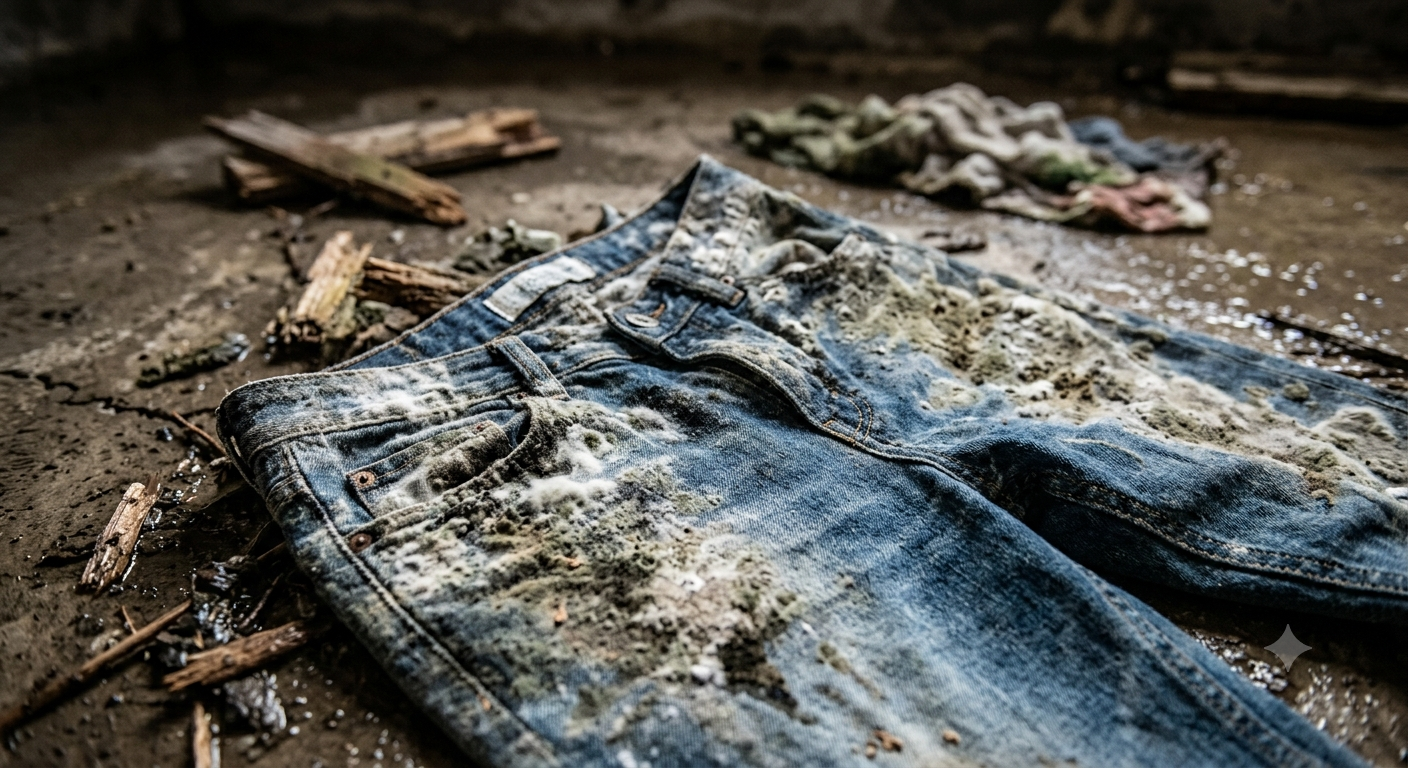
Mold spores penetrate textile fibers rather than remaining on surfaces, which is why visible brushing or standard washing fails to address the underlying contamination. Once spores colonize fabric weaves, they produce enzymes that break down organic fibers and generate volatile organic compounds responsible for persistent musty odors even after surface cleaning. Great Lakes Textile Restoration & Laundry Service LCC approaches mold-contaminated textiles with antimicrobial washing processes and controlled extraction methods designed to reduce microbial contamination to safe levels, following handling protocols that prevent cross-contamination during transport and processing.
Complete neutralization requires targeting spores embedded within fiber structures, not just removing visible surface growth, and post-treatment verification confirms contamination levels meet safe reuse standards. Northern Michigan's humid summer conditions and older homes with poor ventilation create environments where stored textiles in basements, attics, or closed closets develop mold growth that spreads unnoticed until odors or visible staining appear.
Request prompt evaluation before mold damage becomes permanent, as delayed treatment allows enzymatic fiber degradation to progress beyond salvage thresholds.
Why Surface Cleaning Does Not Neutralize Mold
Antimicrobial washing processes involve pH-balanced solutions that penetrate fiber structures to reach embedded spores, combined with controlled temperature cycles that denature microbial proteins without damaging textile integrity. Controlled extraction follows strict handling protocols to prevent airborne spore dispersal during processing, and post-treatment verification testing confirms microbial contamination has been reduced to safe reuse levels rather than simply masked or temporarily suppressed.
After treatment, you notice fabrics no longer release musty odors when stored or exposed to humidity, and visible staining from mold metabolic byproducts is removed where fiber damage has not already occurred. Textiles regain their original feel once enzymatic degradation is halted and microbial residues are fully extracted, though heavily colonized items may show permanent discoloration even after spores are neutralized. Great Lakes Textile Restoration & Laundry Service LCC uses environmentally responsible cleaning methods where appropriate for textile restoration, balancing antimicrobial effectiveness with reduced chemical impact.
Dry cleaning alone does not remediate mold contamination—solvent-based processes remove oils and certain stains but do not address microbial growth or neutralize spores embedded in fabric structures. Professional mold remediation requires water-based antimicrobial treatment combined with verification testing to confirm contamination reduction, a process distinct from standard dry cleaning or laundering.
Common Questions About Mold-Contaminated Textiles
Property owners in Gaylord dealing with basement storage issues or water intrusion events often ask about the difference between surface cleaning and microbial remediation.
How do mold spores penetrate fabrics?
Spores colonize textile weaves and produce enzymes that break down organic fibers, generating volatile organic compounds responsible for persistent musty odors that surface cleaning cannot remove.
What is the difference between dry cleaning and professional mold remediation?
Dry cleaning uses solvents to remove oils and stains but does not address microbial growth, while professional mold remediation involves water-based antimicrobial treatment designed to neutralize embedded spores and verify contamination reduction.
Can musty odors be permanently removed from stored clothing?
Yes, through antimicrobial washing processes that target volatile organic compounds produced by mold growth, combined with post-treatment verification to confirm safe reuse standards.
Why does Northern Michigan create conditions for textile mold growth?
Humid summer months and older homes with poor basement ventilation create environments where stored textiles in closed spaces develop mold colonization that progresses unnoticed until visible staining or odors appear.
What happens if mold damage is detected late?
Delayed treatment allows enzymatic fiber degradation to cause permanent discoloration or structural weakening that cannot be reversed, requiring documentation as total losses for insurance purposes.
Great Lakes Textile Restoration & Laundry Service LCC follows safety-focused restoration procedures and provides post-treatment documentation for residential and commercial projects throughout Northern Michigan. Schedule a mold contamination assessment to determine which textiles respond to remediation and which require replacement documentation for insurance claims.