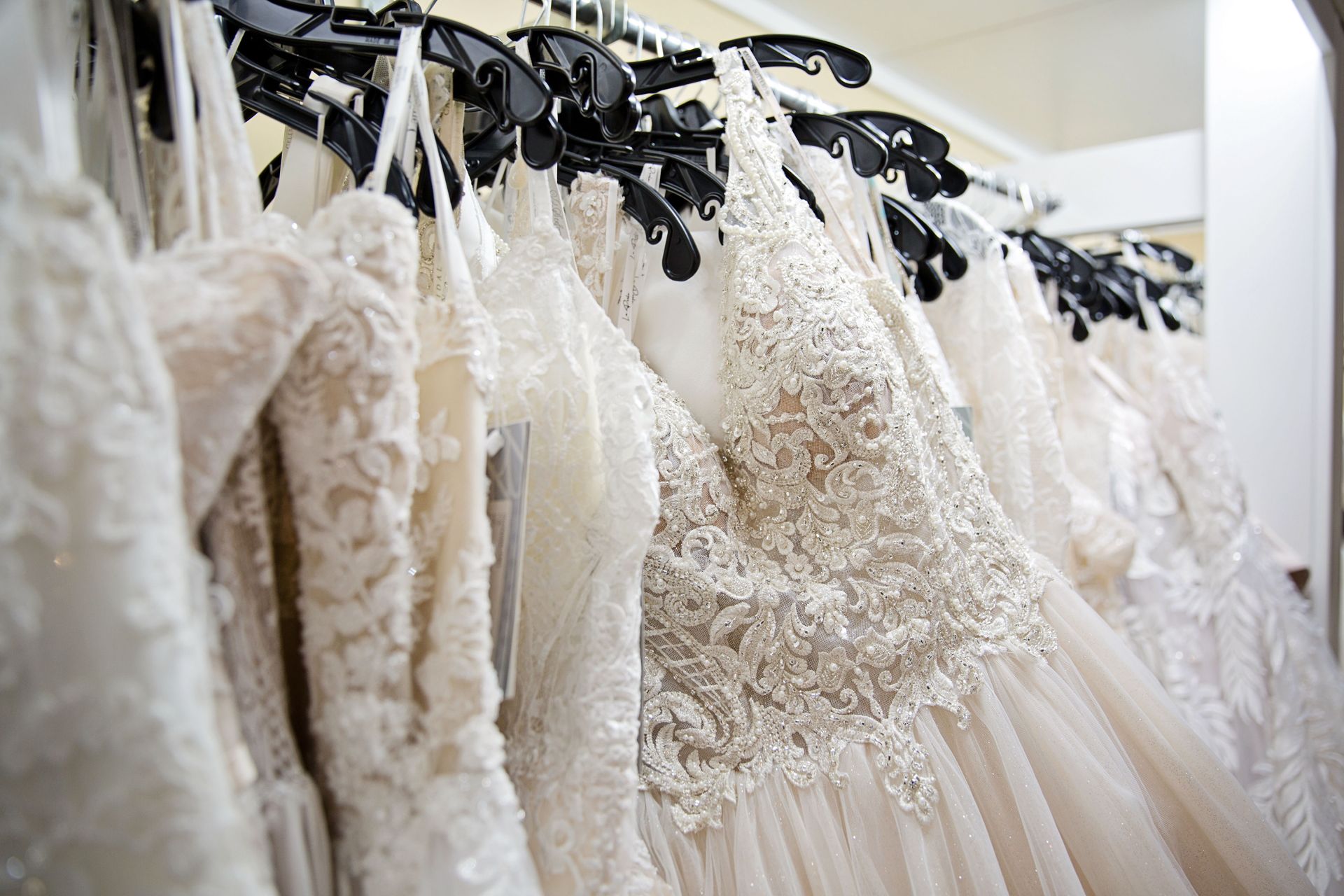
Textiles Stored Before Damage Becomes Permanent
Wedding Dress & Area Rug Preservation in Gaylord for heirloom garments requiring long-term protection from yellowing and fiber deterioration
Wedding gowns folded into boxes without cleaning develop yellow oxidation stains within months as body oils, perspiration residue, and invisible champagne splashes begin chemical reactions that accelerate fabric aging. Professional preservation addresses contamination before it sets permanently, followed by archival storage using acid-free materials that stabilize textiles stored for decades across Northern Michigan where temperature fluctuations in attics and basements worsen deterioration. Great Lakes Textile Restoration & Laundry Service LCC processes wedding dresses and area rugs through cleaning protocols designed for delicate fibers, beadwork, fringe, and woven patterns that standard laundering damages irreversibly.
Cleaning begins with stain identification and pH testing to select treatments that lift soil without bleaching dyes or weakening silk, lace, or synthetic overlays. Stabilization methods reduce oxidation reactions that cause yellowing, though no process eliminates aging entirely—preservation slows degradation rather than stopping it.
Schedule preservation services within months of the wedding or rug purchase to prevent staining that becomes irreversible after extended storage.
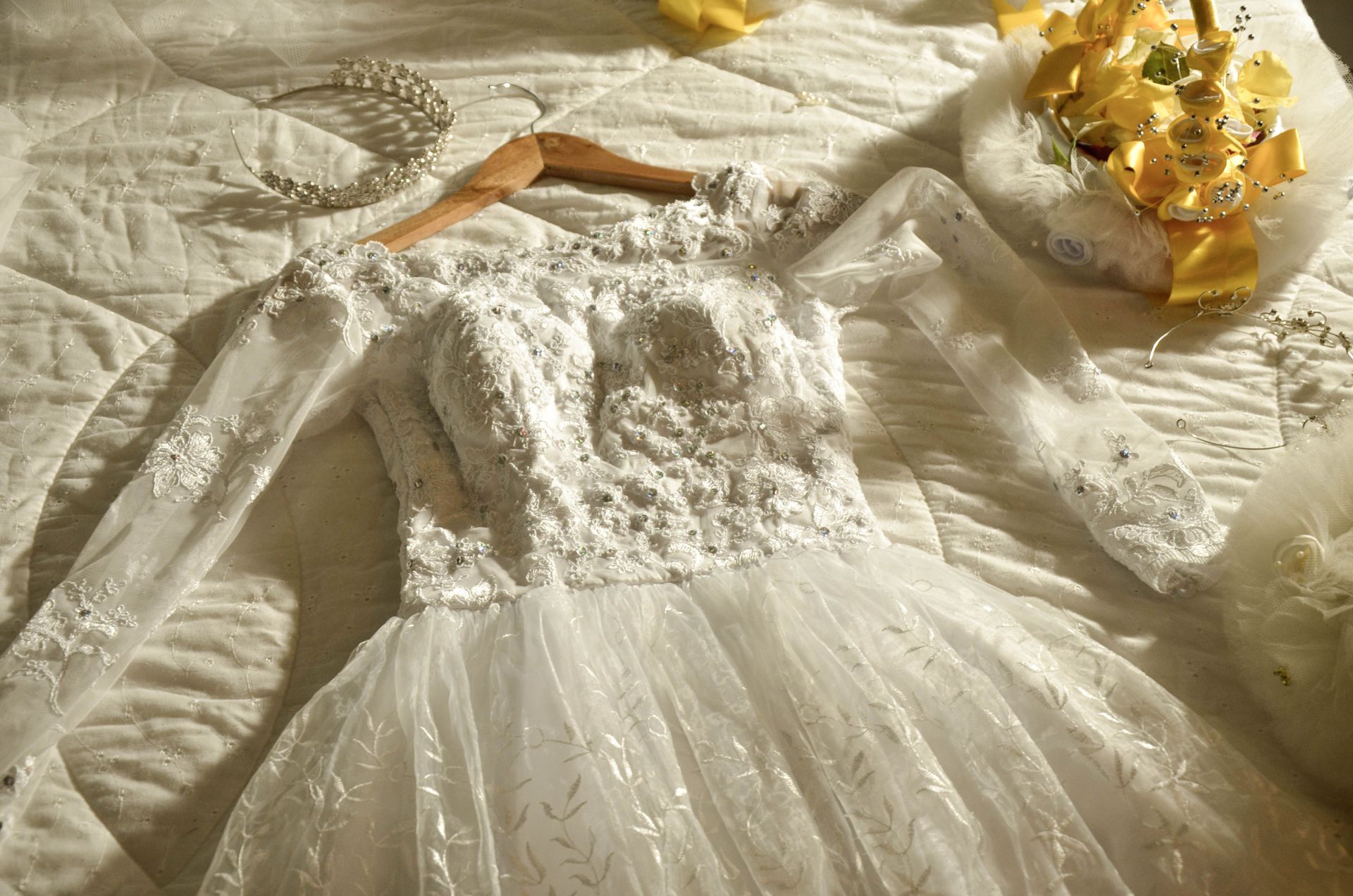
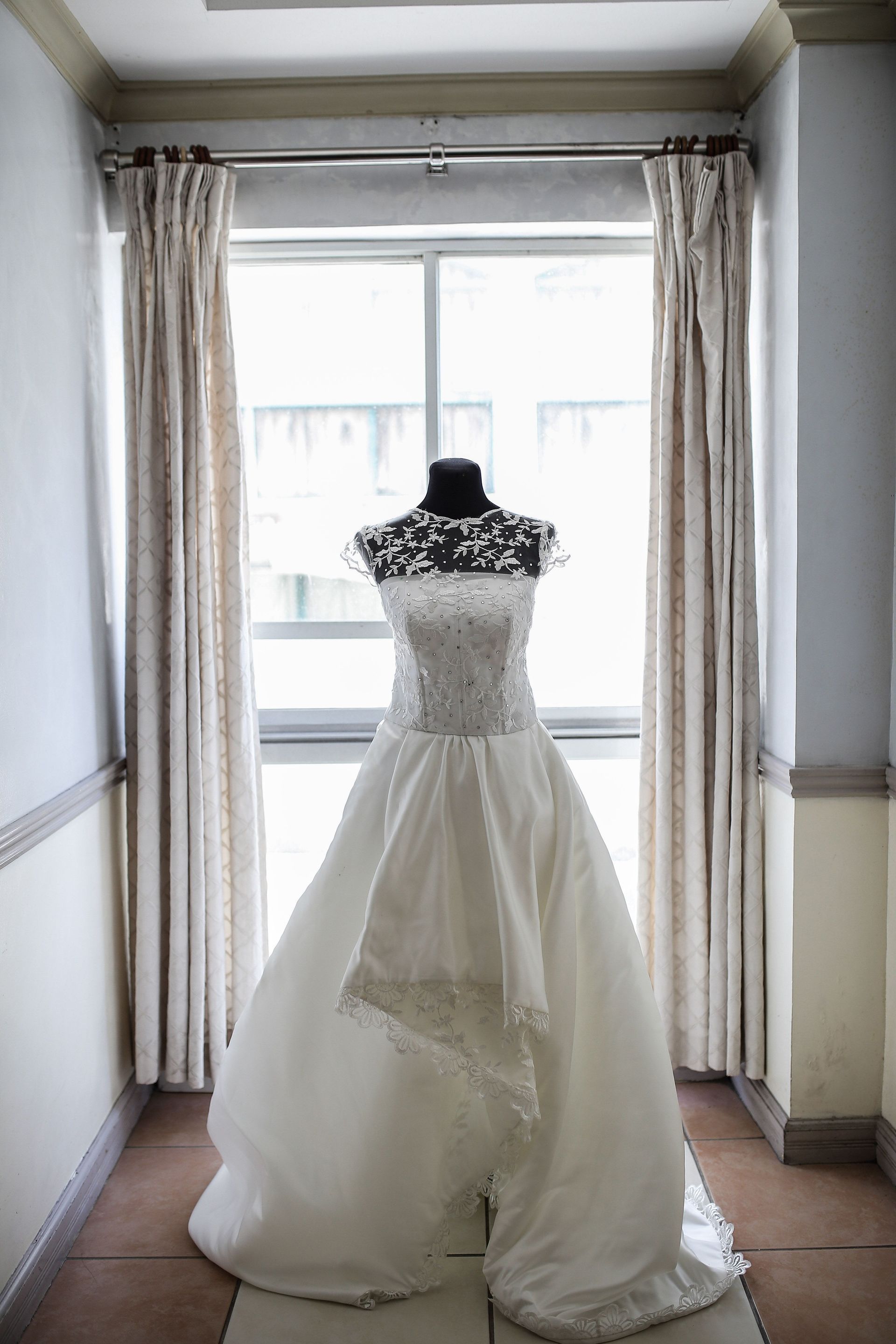
What Archival Preservation Actually Accomplishes
Preservation cleaning removes invisible contaminants that accelerate fabric breakdown even when garments appear clean visually—body oils turn acidic over time, sugar residues from cake or champagne attract moisture and promote bacterial growth, dust particles embed in fibers and act as abrasives during folding and unfolding. Acid-free tissue paper and storage boxes prevent pH migration from cardboard or dyes that would otherwise transfer onto fabrics during long-term contact.
Families retrieve gowns years later without the yellow streaks, brittle lace, or musty odors that develop in untreated garments stored in standard boxes. Area rugs return with restored color vibrancy and intact fringe after precision cleaning that targets embedded soil without compromising hand-knotted construction or natural dye chemistry. Great Lakes Textile Restoration & Laundry Service LCC handles Persian rugs, wool runners, silk accent pieces, and synthetic area rugs requiring different cleaning approaches based on fiber content and weaving technique.
Preservation does not guarantee indefinite protection—stored textiles still age gradually through unavoidable oxidation and fiber relaxation. The goal is reducing deterioration rates enough that gowns remain wearable for future generations and rugs maintain display quality rather than becoming fragile museum pieces requiring constant environmental control.
Common Questions About This Service
Brides and homeowners in Gaylord often delay preservation until visible damage appears, and understanding the process clarifies why early intervention produces better outcomes.
How soon after the wedding should preservation happen?
Cleaning within three to six months prevents oxidation stains from setting permanently, since invisible residues begin chemical reactions immediately after the event even when gowns appear visibly clean.
What makes archival storage different from regular garment bags?
Acid-free materials prevent pH migration that causes yellowing, while sealed containers limit oxygen exposure that accelerates oxidation reactions common in Northern Michigan's variable humidity conditions.
Can area rugs be cleaned without damaging fringe or dyes?
Hand-knotted rugs receive controlled moisture application and pH-neutral cleaning agents calibrated for natural dyes, while fringe undergoes separate handling to prevent tangling or breakage during the cleaning process.
Will preserved wedding dresses remain wearable decades later?
Proper preservation maintains fabric integrity and appearance for potential future wearing, though storage duration, environmental conditions, and original fabric quality affect long-term wearability regardless of preservation methods.
How often should stored gowns be inspected?
Inspection every five years allows early detection of storage failures such as moisture infiltration, pest activity, or packaging degradation before damage spreads throughout the garment.
Great Lakes Textile Restoration & Laundry Service LCC preserves wedding gowns and cleans specialty area rugs requiring professional handling. Deliver items for evaluation to determine appropriate cleaning methods and preservation timelines.